
Hepatoblastoma (Childhood Liver Cancer): What Parents Should Know
Hepatoblastoma is a cancer that starts in the liver and is the most common type of liver cancer in children, usually found in babies and young children. It is most often treated with surgery to remove the tumor and chemotherapy, and some children need a liver transplant. Because treatment can stretch over many months, families often face medical bills on top of time away from work.
Source: National Cancer Institute, Childhood Liver Cancer Treatment (PDQ®). This page is general information, not medical advice; please talk with your child’s care team about diagnosis and treatment.
Nash
What is hepatoblastoma (Liver Cancer)?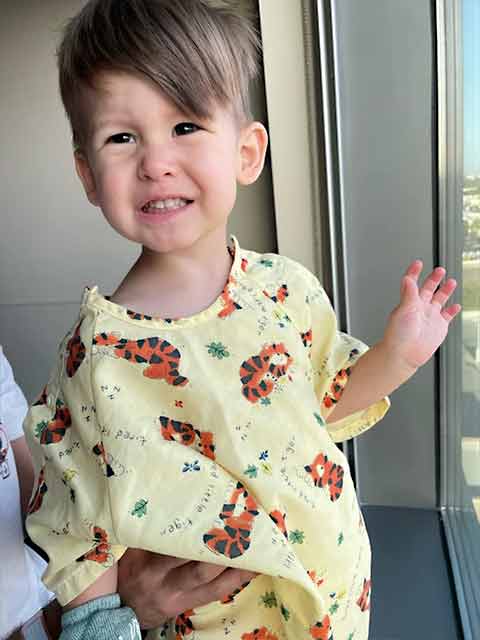
Hepatoblastoma is a rare tumor (an abnormal tissue growth) that originates in cells in the liver. It is the most common cancerous (malignant) liver tumor in early childhood. Most hepatoblastoma tumors begin in the right lobe of the liver. Hepatoblastoma cancer cells also can spread (metastasize) to other areas of the body. The most common site of metastasis is the lungs.
Hepatoblastoma primarily affects children from infancy to about 5 years of age. Most cases appear during the first 18 months of life. Hepatoblastoma affects white children more frequently than black children, and is more common in boys than girls up to about age 5, when the gender difference disappears. It occurs more frequently in children who were born very prematurely (early) with very low birth weights.
Although the exact cause of liver cancer is unknown, there are a number of genetic conditions that are associated with an increased risk for developing hepatoblastoma. They include:
- Beckwith-Wiedemann syndrome. This syndrome is characterized by a combination of Wilms’ tumor, kidney failure, genitourinary malformations and gonad (ovaries or testes) abnormalities.
- Familial adenomatous polyposis. This is a group of rare inherited diseases of the gastrointestinal tract.
- Hemihypertrophy. This condition is the faster growth of one limb on one side of the body in comparison with the other side.
Children who are exposed to hepatitis B infection at an early age, or those who have biliary atresia, are also at increased risk for developing liver cancer.
Signs and symptoms
The signs and symptoms of pediatric hepatoblastoma often depend on the size of the tumor and whether it has spread to other parts of the body. Symptoms may include:
- A large mass in the abdomen
- Swollen abdomen
- Weight loss
- Decreased appetite
- Vomiting
- Jaundice (yellowing of eyes and skin)
- Itchy skin
- Anemia
- Back pain
Diagnosis
After taking a complete medical history and doing a physical examination of your child, we may use the following tests:
- Alpha-fetoprotein (AFP) test. AFP levels in the blood can be used both to diagnose hepatoblastoma and to monitor its response to treatment.
- Computerized tomography scan (CT or CAT scan). This imaging test uses X-rays and computer technology to produce detailed cross-sectional images (slices) of the body, including the bones, muscles, fat and organs. It can show a mass in the liver and whether the cancer has spread to other organs such as the lungs.
- Magnetic resonance imaging (MRI). An MRI scan uses radio waves and strong magnets with computer technology. MRI shows more detailed images than CT and ultrasound and can help doctors see if the cancer has invaded one of the major blood vessels located near the liver.
- Blood tests. These laboratory tests will help evaluate liver function.
- Biopsy. A biopsy (a sample of tissue that is removed and examined under a microscope) will help confirm the diagnosis and help plan treatment.
- Bone scan. This imaging test uses a special radioactive material that is injected into a vein. The substance collects in areas of diseased bone and is sensed by special cameras that pick up radioactivity.
Treatment
Treatment for hepatoblastoma is aimed at removing (resecting) as much of the tumor as possible. Liver tissue can regenerate after a portion is removed.
Most hepatoblastomas also require treatment with chemotherapy to shrink the tumor before surgery. This makes it easier and safer for the surgeon to remove the mass. Chemotherapy is also given after surgery to minimize the chance of recurrence (cancer regrowth).
As with any cancer, prognosis and long-term survival can vary greatly from child to child. Prompt medical attention and aggressive therapy are important for the best prognosis. Continuous follow-up care is essential for a child diagnosed with hepatoblastoma because side effects of radiation and chemotherapy may occur, as well as second malignancies.
How Armer Foundation for Kids Helps Arizona Families Facing hepatoblastoma
Armer Foundation for Kids helps families in greater Phoenix who have a child, from birth to age 17, living with cancer, epilepsy, a transplant or another serious illness. When insurance is not enough, we help with copays, deductibles, insurance premiums and other out-of-pocket medical costs, so parents can spend less time worrying about bills and more time with their child.
For children with weakened immune systems, we also install air purifiers at home to help keep the air cleaner during treatment and recovery. Assistance is reviewed case by case by our board.
Apply for Help
If your child has been diagnosed with hepatoblastoma or another serious medical condition and you live in the greater Phoenix area, you can apply for financial assistance online or download the application.
Apply for financial assistance | Financial help for families of kids with cancer and serious illness in Phoenix
Questions? Call (480) 257-3254 or email [email protected].
ABOUT THE ARMER FOUNDATION FOR KIDS:
Founded by Jennifer and Matt Armer in 2019, the Armer Foundation For Kids (a 501(c)(3) 84-2327428) works to reduce
financial barriers for families so that they can care for their children with chronic or life-altering diseases that can often
lead to unforeseen financial burdens. For more information and to see the children for which they are currently
fundraising, visit www.armerfoundation.org.